Albuquerque Temple Redwork Review
As an embroidery designer who has spent countless weekends behind a folding table at local craft fairs, I have learned that not every digital file translates into a bestseller. The difference between a design that gathers dust on a hard drive and one that flies off the shelf often comes down to visual impact, production efficiency, and emotional connection. Recently, I pulled up the Albuquerque New Mexico Temple Redwork to evaluate its potential for my upcoming seasonal market booth. This review is written from the perspective of a maker looking to maximize return on investment while maintaining high aesthetic standards for handmade goods.
First Impressions: Simplicity Meets Regional Pride
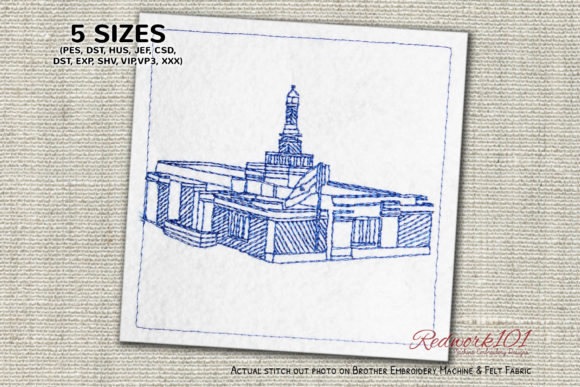
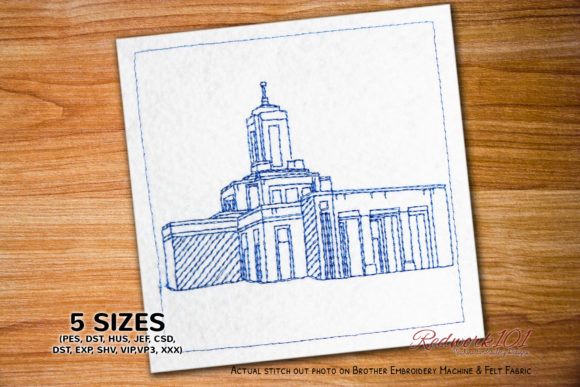
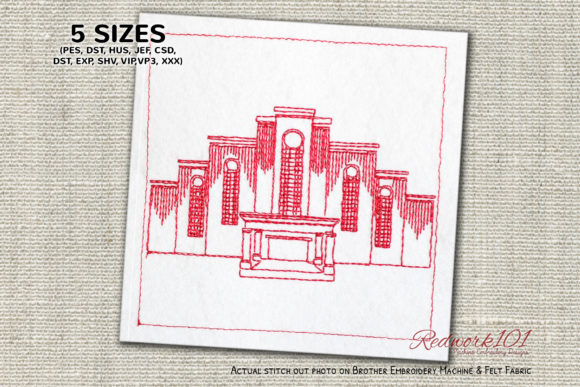
The immediate appeal of the Albuquerque New Mexico Temple Redwork lies in its classic redwork style. For those unfamiliar, redwork traditionally uses a single color of thread—usually red—on white or neutral fabric, creating a striking, high-contrast look that feels both vintage and modern. In a crowded marketplace, this design stands out because it avoids the visual noise of multi-colored, complex shading. It feels elegant, clean, and deeply rooted in local culture.
When I imagine this stitched onto a crisp white tea towel or a natural canvas tote, the silhouette of the temple creates an instant focal point. It does not scream for attention with neon brightness; rather, it invites closer inspection. For craft fair sellers, this is crucial. You want a craft fair product that stops a browser in their tracks without overwhelming them. The simplicity suggests a premium, boutique quality that appeals to buyers looking for meaningful, localized souvenirs or gifts.
Product Versatility and Market Fit
The true test of any machine embroidery design is its versatility. Can it work across different substrates? Based on the redwork nature of this file, I see immense potential for several key items in a handmade shop inventory.
- Tote Bags and Market Bags: A large-scale version of this design centered on a canvas tote creates a sophisticated tote bag design. It appeals to locals who want to show pride in their city’s landmarks and tourists seeking a tasteful memento.
- Kitchen Linens: Redwork was historically popular on kitchen textiles. Stitching this onto flour sack towels or aprons creates a timeless tea towel embroidery piece. It fits perfectly into the farmhouse or traditional decor niche that remains strong among Etsy seller communities.
- Embroidered Patches: If scaled down appropriately, this could serve as a beautiful embroidered patch for jackets or backpacks. However, care must be taken to ensure the details remain visible at smaller sizes.
- Pillow Covers: A monochromatic look on a linen pillow cover adds a touch of architectural elegance to home decor, appealing to buyers looking for subtle, high-end accents.
For small shop product lines, consistency is key. Using the same Albuquerque New Mexico Temple Redwork across these different items creates a cohesive collection. This helps in building brand recognition and allows for efficient batch production, which is essential for keeping costs down and profits up.
Production Practicalities and Design Notes
From a production standpoint, redwork designs are generally a dream for commercial embroidery. They typically feature lower stitch density compared to full-fill designs, which means less thread usage and faster machine run times. This directly impacts your bottom line. However, there are specific technical considerations to keep in mind when working with this digital embroidery file.
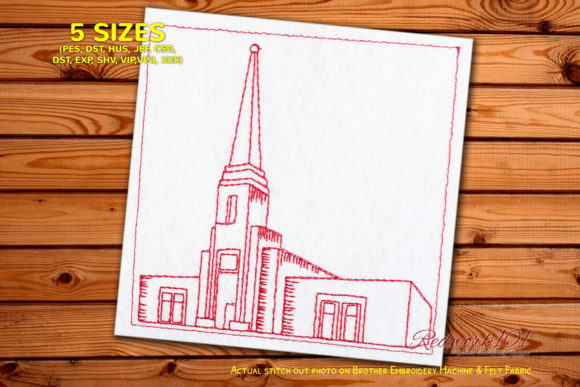
The product description notes that "The Box Stitch shown in picture is optional" and that "The color of outer Box is different color in most of the designs unless it is part of the design itself, you can skip." This flexibility is a significant advantage. It allows you, the creator, to customize the look based on the fabric. For a minimalist look, skipping the box stitch keeps the focus entirely on the temple architecture. If you choose to include it, ensure the thread colors contrast sufficiently with the background fabric.
Fabric and Stabilizer Considerations
Because redwork relies on clean lines, the choice of fabric and stabilizer is critical. On textured towels, the stitches might sink in if the stabilizer is too light. I recommend using a cut-away stabilizer for items that will be washed frequently, like aprons and towels, to prevent puckering. For woven fabrics like cotton tote bags, a tear-away might suffice, but always test on scrap fabric first.
Dark fabric presents a challenge for traditional redwork. If you intend to stitch this on navy or black fabric, you will need to switch from red thread to a lighter color, such as white or cream, to maintain visibility. Always check how the design looks on your intended fabric before committing to a full production run. A printable mockup can help visualize this, but nothing replaces a physical test stitch.
Selling Strategy and Visual Appeal
How does this design perform in terms of customer engagement? In my experience, landmark-based designs evoke an emotional response. Buyers connect with the image of the Albuquerque Temple because it represents community, faith, or local identity. This emotional connection increases the perceived value of the finished product.
When photographing for online listings or social media, the high contrast of redwork makes for stunning images. It photographs well in natural light, highlighting the texture of the stitches against the fabric. Use this to your advantage in your design assets and marketing materials. Show the item in use—a tote bag at a farmer’s market, an apron in a bright kitchen—to help customers envision the product in their lives.
For commercial embroidery businesses, this design offers a quick turnaround time. Since it is likely less dense than full-coverage designs, you can produce more units in less time. This efficiency allows you to offer competitive pricing while maintaining healthy margins. It is an ideal candidate for last-minute gift shoppers during holiday seasons or local events.
Important Technical Checks Before Production
Before you load this embroidery file into your machine for a large batch, there are several steps you must take to ensure quality control. As an experienced designer, I cannot stress enough the importance of these pre-production checks:
- Verify Hoop Size: The description does not specify exact dimensions. Check the file properties to confirm the required hoop size. Ensure your frame can accommodate the design without resizing, which can distort stitch proportions.
- Check Stitch Density: Inspect the file in your embroidery software. Look for any areas where stitches might be too close together, which could cause thread breaks or fabric bunching, especially on lighter materials.
- Test on Scrap Fabric: Always stitch a sample on the exact fabric you plan to use. Check for registration issues, thread tension, and overall clarity.
- Confirm Licensing: Ensure you have the appropriate license for selling finished products. Most digital designers offer different licenses for personal vs. commercial use. Verify this before listing items for sale.
- Review Small Details: If you plan to scale the design down for patches or small pouches, zoom in on the preview. Tiny details may merge or become indistinct at smaller sizes. You may need to simplify or enlarge certain elements.
In conclusion, the Albuquerque New Mexico Temple Redwork is a strong contender for any maker focusing on regional, faith-based, or classic aesthetic markets. Its simplicity allows for versatile application across various handmade product lines, from kitchen linens to wearable accessories. By paying attention to fabric choice, stabilizer selection, and production efficiency, you can turn this digital asset into a profitable and visually appealing segment of your craft fair inventory. Remember, the key to success is not just in the design itself, but in how thoughtfully you execute and present it to your customers.