Beautiful Fish Tank Redwork Review
As an embroidery designer who has spent countless weekends behind a craft fair table, I have learned that the difference between a design that sits idle and one that sells out often comes down to immediate visual impact. When I first loaded the Beautiful Fish Tank Redwork into my digitizing software, my initial reaction was one of appreciation for its simplicity and charm. In a market saturated with overly complex, multi-colored designs, there is a distinct elegance to redwork that appeals to buyers looking for timeless, handmade quality. This review explores how this specific machine embroidery design performs in real-world applications, from bustling weekend markets to quiet online Etsy shops.
First Impressions: Simplicity Meets Whimsy
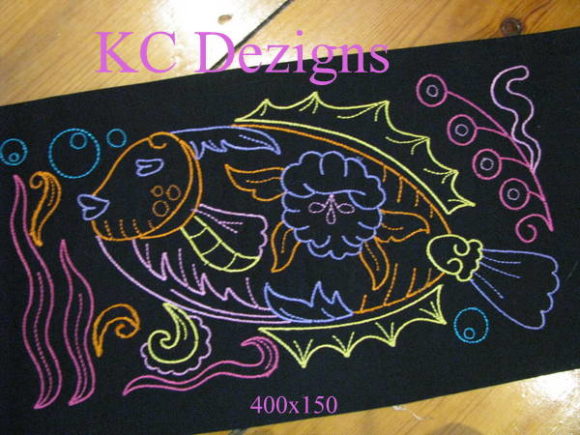
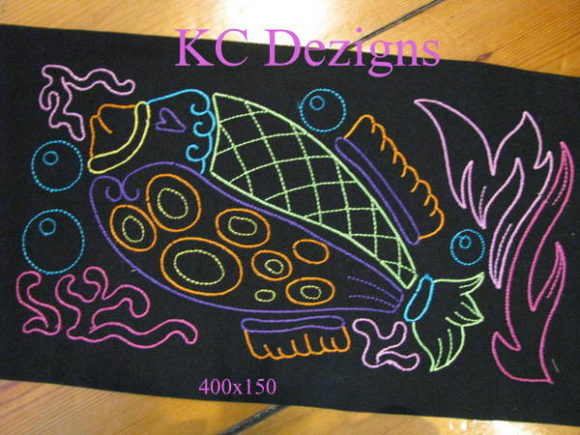
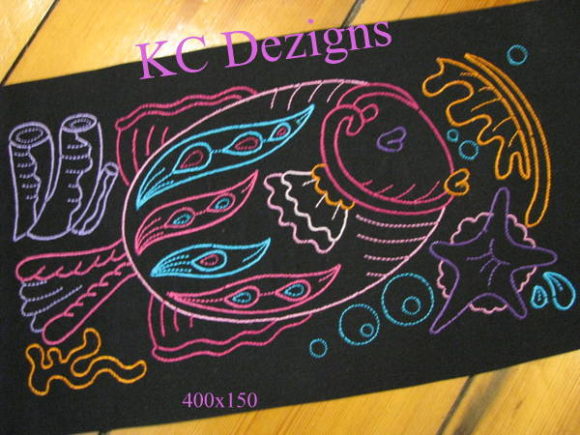
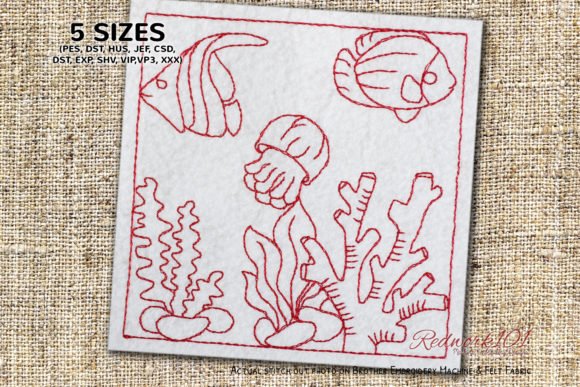
The title itself, Beautiful Fish Tank Redwork, suggests a theme that is both decorative and lively. Upon closer inspection, the design features various types of fish and plants within a tank setting. The use of redwork—a style traditionally utilizing a single color thread, often red, on white or neutral fabric—gives the piece a classic, farmhouse aesthetic. However, the description notes that the outer box stitch is optional and may appear in different colors depending on the specific file variation. This flexibility is crucial for modern sellers. It allows us to adapt the mood of the piece from rustic traditionalism to a more contemporary, colorful pop if desired.
For a craft fair seller, the "glance test" is vital. Customers walking past a booth have only seconds to decide whether to stop. The clear outlines of the fish and aquatic plants in this embroidery file offer high contrast against light fabrics, making the design readable from several feet away. It feels cute yet sophisticated, avoiding the childish trap that some animal-themed designs can fall into. It strikes a balance that appeals to adult buyers looking for unique home decor or kitchen accessories.
Product Applications for Maximum Sales
Choosing the right substrate is half the battle in commercial embroidery. Based on the layout and style of Beautiful Fish Tank Redwork, here are the products where this design truly shines:
- Tea Towel Embroidery: This is arguably the strongest application. The linear nature of redwork complements the weave of linen or cotton towels beautifully. A set of two towels, one with the full tank and another with a single fish accent, creates an instant bestseller for housewarming gifts.
- Tote Bag Design: Canvas tote bags provide a stable, flat surface that highlights the crispness of the stitches. Placing the tank centrally on a natural canvas bag creates a striking statement piece that appeals to eco-conscious shoppers.
- Apron Embroidery: For the culinary enthusiast, an apron featuring this underwater scene adds a playful touch to the kitchen. The design works well on the bib or the lower skirt of the apron, depending on the hoop size capabilities of your machine.
- Embroidered Patch: If you offer iron-on or sew-on patches, this design translates well. Ensure you use a cut-away stabilizer to maintain the integrity of the patch edges, especially if the fish details are intricate.
- Pillow Covers: A square pillow cover with the tank centered acts as a focal point in living room decor. The redwork style pairs exceptionally well with neutral, textured fabrics like wool blends or heavy cotton.
While caps and curved surfaces are popular, caution is advised. The horizontal spread of the tank might distort on a highly curved crown unless the design is scaled down significantly, which could compromise the clarity of the smaller plants and fish. For small shop products, flat goods remain the safest and most profitable bet for this specific artwork.
Production Practicality and Batch Efficiency
From a production standpoint, time is money. One of the greatest advantages of Beautiful Fish Tank Redwork is its potential for speed. Redwork designs typically have lower stitch density compared to filled satin-stitch designs. This means less thread consumption, fewer thread breaks, and faster run times. For a handmade product business preparing for a large fair, this efficiency allows for higher volume production without sacrificing quality.
The optional box stitch mentioned in the product description is a smart inclusion. If you are creating a series of items, you can choose to include the box for a framed, finished look, or omit it for a more organic, floating appearance. This versatility allows you to create varied product lines from a single digital embroidery file, maximizing the value of your design assets.
Photography is another critical factor. The high contrast of red thread on white or cream fabric photographs exceptionally well for online listings. It reduces the need for heavy editing and ensures that the details of the Fish and Embroidery work are visible even in thumbnail images on mobile devices. For Etsy sellers, this visual clarity can significantly improve click-through rates.
Careful-Use Notes and Technical Considerations
Despite its appeal, there are technical nuances to consider before launching this as a commercial embroidery product. First, always check the stitch density. While generally low, areas where the fish overlap with plants may require careful trimming of jump stitches to prevent nesting. Using sharp, small scissors is essential for a clean finished product.
Fabric texture plays a significant role. On thick, textured towels, the finer details of the plants might get lost. In such cases, using a water-soluble topping can help the needle penetrate smoothly and keep the stitches on top of the pile. Conversely, on smooth cottons, ensure your tension is perfectly balanced to avoid puckering, especially if the hoop size is large relative to the design.
Color choice is paramount. While traditional redwork uses red, do not be afraid to experiment. Teal, navy, or even black thread can transform the vibe of the piece. However, avoid using thread colors that are too similar to the fabric background, as the design relies entirely on line work for definition. If you choose to use the optional outer box in a different color, ensure it complements rather than clashes with the primary thread color.
Designer Tips for Best Results
Before committing to a full batch of inventory, follow these professional steps:
- Test on Scrap Fabric: Always stitch out the design on the exact fabric type you intend to sell. Check for registration issues and thread breaks.
- Verify Hoop Size: Confirm that the design fits comfortably within your machine’s hoop with adequate margins. Do not assume the dimensions; measure the actual stitch-out.
- Stabilizer Selection: Use a medium-weight cut-away stabilizer for stretchy fabrics like jersey tote bags, and a tear-away for stable woven cottons. Proper stabilization prevents distortion after washing.
- Create a Printable Mockup: Before stitching final products, use a printable mockup to visualize how the design looks on different colored garments. This helps in planning your inventory mix.
- Check Licensing: Ensure you have the appropriate commercial license for the digital embroidery file. Most designers allow finished product sales, but restrictions on sharing the file itself are standard.
In conclusion, Beautiful Fish Tank Redwork is a versatile and commercially viable addition to any embroidery business portfolio. Its blend of whimsical subject matter and classic technique makes it suitable for a wide range of craft fair products. By paying attention to fabric choice, thread contrast, and production efficiency, you can turn this simple design into a standout item that captures customer attention and drives sales. Whether you are an experienced Etsy seller or a newcomer to the handmade market, this design offers the reliability and charm needed to build a loyal customer base.