Buck Deer Lineart: A Designer’s Review
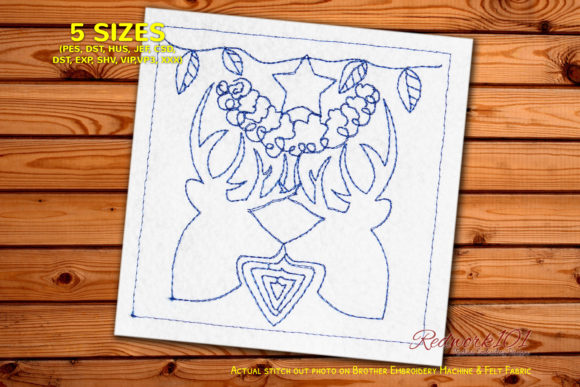
As an embroidery designer who has spent years digitizing and testing files for commercial use, I approach every new machine embroidery design with a critical eye. It is not just about whether the image looks pretty on a screen; it is about how it performs under the needle, how it holds up after washing, and most importantly, how it serves the brand identity of the small business owner using it. Recently, I reviewed Buck Deer Lineart, a design featuring two buck deer heads, to determine its viability for branded merchandise and professional applications.
The first impression of this piece is one of rustic elegance. The lineart style suggests a clean, modern aesthetic that avoids the clutter often found in overly detailed wildlife imagery. For businesses operating in the outdoor, hunting, conservation, or artisanal sectors, this visual personality is invaluable. It feels premium yet approachable, striking a balance between traditional Wild Animals motifs and contemporary graphic design trends. This duality makes it a versatile asset for any brand looking to convey strength, nature, and authenticity.
Real-World Applications for Small Business Merch
When evaluating a digital embroidery file for commercial purposes, I always ask: where does this live best? For Buck Deer Lineart, the answer lies in its adaptability across various substrates. I envision this design working exceptionally well as an embroidered patch. Patches are currently trending in the handmade product market, offering customers a low-commitment way to support a brand. The dual-head composition provides a symmetrical balance that looks intentional and high-quality when framed within a merrowed or satin border.
Beyond patches, consider the impact on custom apparel. For a boutique coffee shop with a woodland theme or a local brewery focusing on regional ingredients, this design could serve as a subtle chest logo accent on staff uniforms. The lineart style ensures that the design does not become a heavy, stiff mass of thread on the garment, which is crucial for comfort in work shirts and aprons. Apron embroidery, in particular, benefits from designs that are visually striking but not overly dense, allowing the fabric to remain flexible and durable through daily wear and frequent laundering.
Another excellent application is cap embroidery. The front panel of a baseball cap offers limited real estate, and complex designs often fail to translate well due to the curvature of the fabric. However, the streamlined nature of these buck deer heads suggests they would sit cleanly on a structured cap. Similarly, for tote bag design projects, the contrast of white or cream thread against canvas creates a sophisticated look that appeals to eco-conscious consumers. This versatility makes it a strong candidate for diverse small business merch lines, from Etsy shops to brick-and-mortar retail stores.
Navigating Technical Constraints and Fabric Choices
While the aesthetic appeal is strong, a professional review must address technical limitations. The description notes that the box stitch shown in promotional images is optional and that the outer box color may vary. This is a critical detail for production. If you choose to include the box, you must ensure that the stitch density does not become too high, which can lead to puckering, especially on lighter fabrics. I recommend testing the design without the box first to see if the standalone deer heads provide enough visual weight for your specific application.
Fabric texture plays a significant role in the final outcome of lineart designs. On smooth fabrics like twill or broadcloth, the fine lines will appear crisp and defined. However, on textured fabrics such as terry cloth towels or heavy fleece, some of the finer details might get lost. In these cases, increasing the stitch length slightly or choosing a higher contrast thread color can help maintain visibility. Always use the appropriate stabilizer. For caps and structured items, a firm cut-away stabilizer is essential to prevent distortion, while tear-away stabilizers may suffice for stable woven fabrics used in tote bags or wall hangings.
Size is another factor to consider carefully. If you intend to use this as a tiny label on a hem or a small tag, verify the minimum hoop size required. Compressing a two-head design into a very small area can result in thread breaks and poor definition. I advise creating a printable mockup at the intended size to check legibility before committing to production. If the design feels too crowded at smaller scales, consider using just one of the deer heads if the file allows for editing, or reserve the full design for larger items like back-of-jacket emblems or pillow covers.
Enhancing Brand Identity and Customer Trust
In the world of commercial embroidery, consistency is key to building brand identity. Buck Deer Lineart offers a cohesive look that can tie together various product lines. Imagine a customer buying a hat with this emblem, then later purchasing a tote bag with the same motif. This visual consistency reinforces brand recognition and professionalism. For handmade brands, using high-quality, well-digitized designs signals to the buyer that care was taken in every aspect of the finished product, thereby increasing perceived value and customer trust.
Moreover, the choice of thread colors can dramatically shift the brand message. Using earth tones like olive, brown, and tan reinforces a rustic, outdoorsy vibe. Conversely, using monochromatic black and white or metallic threads can elevate the design into a more modern, luxury aesthetic. This flexibility allows business owners to adapt the same design asset to different seasonal collections or target demographics without needing to purchase new files. It is a cost-effective strategy for expanding a product line while maintaining a unified brand voice.
Practical Notes for Embroidery Professionals
Before running this design on a client’s order, there are several steps I recommend taking to ensure success. First, always test the design in black and white thread on a scrap piece of the actual fabric you intend to use. This removes the variable of color and lets you focus purely on stitch quality, spacing, and registration. Check for any gaps in the coverage or areas where the backing might show through.
Second, confirm the commercial licensing terms. As a digital embroidery file buyer, you must ensure that you have the right to use the design for physical goods sold for profit. Most designers offer specific licenses for small business use, but it is vital to read the terms carefully. Never assume a standard download includes commercial rights.
Finally, communicate with your client or team about the optional elements. Since the box stitch is optional, decide early in the design process whether it adds value to your specific application. If the item is dark-colored, consider how the outer box color interacts with the fabric. If the box is a contrasting color, it might frame the deer heads nicely; if it blends in, it might be redundant. Skipping unnecessary stitches can reduce production time and wear on your machine, which is a crucial consideration for high-volume commercial embroidery projects.
In conclusion, Buck Deer Lineart is a robust addition to any embroidery designer’s library. Its blend of classic wildlife imagery with modern lineart styling makes it suitable for a wide range of applications, from rugged outdoor gear to chic boutique accessories. By paying attention to fabric choice, stabilizer selection, and strategic placement, small business owners can leverage this design to create memorable, high-quality merchandise that stands out in a crowded market.