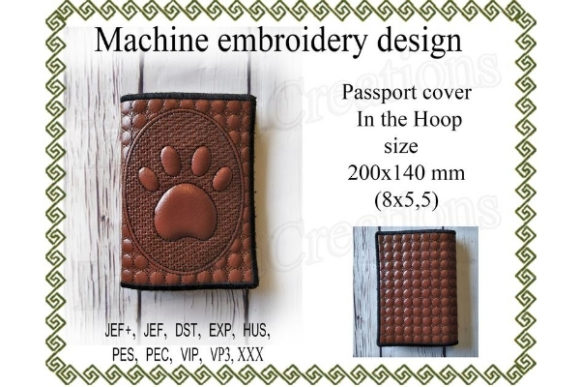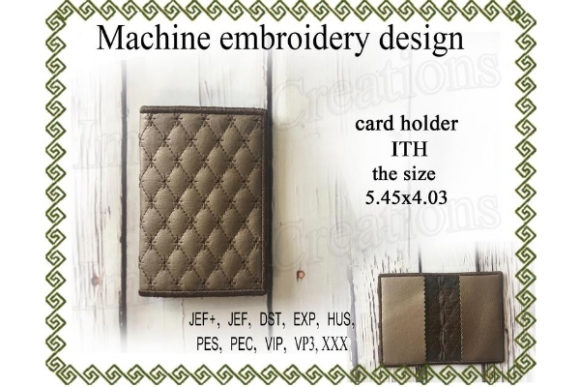
Card Case in the Hoop: A Designer’s Review
As an embroidery designer who has spent countless weekends setting up booths at local craft fairs, I have learned that success often hinges on one critical factor: impulse appeal. When a customer walks past my table, I have mere seconds to catch their eye. They are scanning rows of tote bags, aprons, and tea towels, looking for something that speaks to them instantly. This is why I am always on the hunt for versatile machine embroidery design assets that can elevate a simple item into a must-have craft fair product. Recently, I evaluated the Card Case in the Hoop design, and I want to share my professional perspective on how this digital asset performs in the real world of handmade sales.
First Impressions and Visual Appeal
The title Card Case in the Hoop suggests functionality mixed with convenience. In the crowded market of Sewing and Embroidery, items that solve a problem while looking beautiful are gold. My first impression of this design is that it leans toward the practical yet decorative side of the spectrum. It does not scream "loud" or "novelty"; instead, it feels like a premium addition to a curated collection. For a boutique maker, this is ideal. It suggests a clean, modern aesthetic that can easily adapt to various styles, from minimalist chic to rustic farmhouse, depending entirely on your choice of thread colors and fabric.
When I visualize this on a display table, I see it working best as a focal point on smaller goods. Unlike a massive all-over print, a card case design implies intimacy and utility. It tells the customer, "This is for your essentials." That psychological cue is powerful for converting browsers into buyers. The design feels repeatable, which is crucial for batch production. If you are an Etsy seller or a small shop owner, you need designs that look consistent whether you make five units or fifty.
Versatility Across Product Lines
One of the strongest attributes of the Card Case in the Hoop is its adaptability. While the name suggests a specific item, the design element itself can be repurposed across multiple categories. Here is how I see it performing on different substrates:
- Tote Bags: Placing this design on a canvas tote creates an instant organizational vibe. It pairs beautifully with a tote bag design that emphasizes eco-friendly living or daily commutes.
- Aprons: An apron embroidery featuring a card slot motif adds a touch of whimsy for the home chef. It breaks up the large expanse of fabric without overwhelming the garment.
- Tea Towels: For tea towel embroidery, scale is key. If the design is compact, it serves as a charming accent near the hem, making the towel giftable.
- Embroidered Patches: This is perhaps the most lucrative application. An embroidered patch is a low-commitment purchase for customers. If the design holds up at a smaller size, it becomes a high-margin add-on item.
- Fabric Pouches and Market Bags: These items benefit from the "case" theme. It reinforces the product's purpose visually.
For those creating printable mockup images for online listings, this design offers clear visual cues. It photographs well because it has defined shapes, allowing potential buyers to instantly understand what they are getting. This clarity reduces hesitation and increases engagement on digital platforms.
Production Practicalities and Technical Notes
From a production standpoint, efficiency is everything. The product description notes that this is a high-quality digital embroidery file available in multiple formats. This is essential for compatibility across different machine brands. However, as a designer, I must advise caution regarding technical execution. Before you commit to a full run of commercial embroidery products, you must consider stitch density.
Dense stitch areas can cause puckering, especially on lighter fabrics like cotton tea towels or silk blends. If the design has heavy saturation, you will need a robust cut-away stabilizer to maintain the integrity of the finished product. Conversely, if the design relies on tiny details or small lettering, you must test it on your specific hoop size. What looks crisp on a screen may lose clarity when stitched out on textured materials.
Here are my critical testing steps for any new design assets:
- Test on Scrap Fabric: Never skip this. Use the exact fabric you plan to sell. Check for registration issues and thread breaks.
- Check Thread Contrast: Ensure your thread choices pop against the background. Low contrast can make the design look muddy from a distance.
- Review Spacing: If this is part of a larger layout, ensure there is enough breathing room around the design.
- Inspect Stitch Density: Look for excessive underlay or overlapping stitches that could weaken the fabric over time.
- Confirm Commercial Licensing: Always verify the license terms included with the file. Since you are selling these as handmade product items, you must have the right to use the design commercially.
Navigating Fabric and Surface Challenges
The Card Case in the Hoop design will behave differently depending on the surface. On flat, woven cottons, it will likely perform flawlessly. However, challenges arise with fabric texture. Thick terry cloth towels can swallow small details, making the design look undefined. In such cases, increasing the size of the embroidery or simplifying the thread palette can help maintain visibility.
Curved surfaces, such as caps, present another hurdle. If you plan to use this design on headwear, you must account for the curvature. A design that is too wide may distort when hooped on a cap frame. Similarly, dark fabrics require careful planning. If the design includes light colors, you may need a white underlay or a backing sheet to prevent the dark fabric from showing through the stitches, which can detract from the premium look you are aiming for.
Boosting Brand Consistency and Sales
Ultimately, the goal of using a design like Card Case in the Hoop is to strengthen your brand. Consistency builds trust. If your booth features cohesive design assets that share a similar aesthetic, customers perceive your brand as professional and thoughtful. This design fits well into a narrative of organized, stylish living. It appeals to the buyer who values both form and function.
For the small shop product line, this design can serve as an anchor. You can create a collection where the card case motif appears on wallets, key fobs, and notebook covers. This cross-merchandising strategy encourages customers to buy multiple items. Furthermore, because the design is contained within a hoop format, it is inherently framed. This makes it easy to present in photos and on display racks, giving each item a polished, finished appearance even before it is sold.
In conclusion, the Card Case in the Hoop is a promising addition to any embroidery designer’s library. It offers the flexibility needed for diverse product lines, from apron embroidery to patches. By paying attention to technical details like stabilizer choice and stitch density, and by leveraging its visual appeal for strong branding, you can turn this digital file into a best-selling staple at your next craft fair. Remember to check the specific file formats and licensing details provided with the download to ensure a smooth production process. Happy stitching!