Chicks in Nest Redwork: A Designer’s Review
As an embroidery designer who has spent years digitizing and testing files for commercial use, I approach every new machine embroidery design with a critical eye. It is not just about whether the image looks cute on a screen; it is about how that design translates to fabric, how it holds up in production, and ultimately, how it serves the brand identity of the small business owner purchasing it. Today, I am reviewing Chicks in Nest Redwork, a charming piece from the Birds category that promises versatility across various fabrics. For boutique owners, Etsy sellers, and apparel decorators, understanding the practical application of this design is key to maximizing its value in your product line.
First Impressions: Visual Personality and Brand Fit
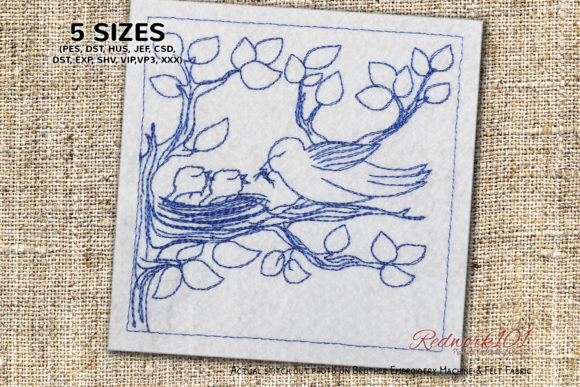
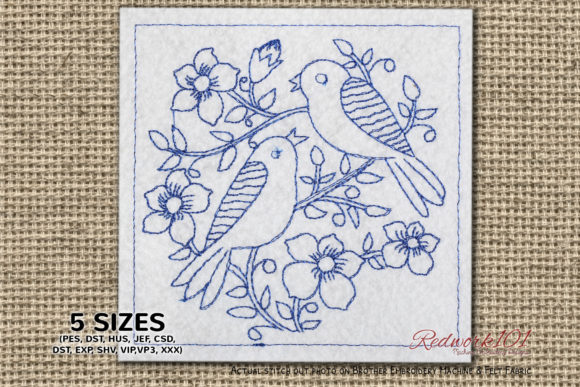
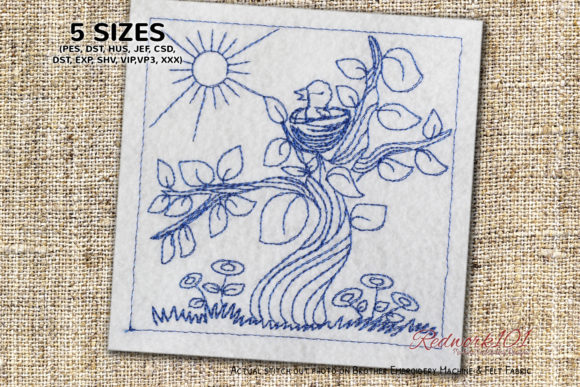
The immediate appeal of Chicks in Nest Redwork lies in its simplicity and warmth. Redwork, traditionally stitched in a single color, offers a rustic, handmade aesthetic that resonates deeply with modern consumers seeking authenticity. This design feels friendly, playful, and distinctly organic. It does not scream "corporate"; instead, it whispers "artisan." For a small business, this is a powerful asset. If you run a bakery, a florist shop, a pet brand, or a creative studio, this design aligns perfectly with a brand identity that values approachability and craft.
The description notes that it is a wonderful design that will look great on any kind of fabric you like to work with. From a designer’s perspective, this flexibility is crucial. However, the visual impact relies heavily on execution. The optional Box Stitch mentioned in the product details adds a layer of customization. In most designs of this nature, the outer box provides a frame that can contain the motif, making it easier to place on structured items like caps or pockets. Whether you choose to include this border or keep the chicks free-standing, the design maintains a classic, decorative feel that avoids looking dated.
Real-World Applications for Small Business Merch
When evaluating Chicks in Nest Redwork for small business merch, we must look beyond the hoop. How does this function as a tangible asset? Here is where the design shines in real-world scenarios:
- Embroidered Patches: This is perhaps the strongest use case. The redwork style translates beautifully to iron-on or sew-on patches. You can produce batches of these as add-ons for customer orders, increasing average order value without significant labor cost.
- Apron Embroidery: For cafes and bakeries, staff uniforms are walking billboards. Placing this design on the chest pocket of a canvas apron creates a cohesive, professional look that reinforces the handmade nature of your products.
- Tote Bag Design: Canvas totes are staples for boutique retail. The simplicity of the chick motif ensures it does not overwhelm the bag, serving as a subtle yet recognizable mark of quality.
- Cap Embroidery: If you utilize the optional box stitch, this design can work on the front panel of a dad hat or baseball cap. It offers a softer alternative to bold, aggressive logos, appealing to a demographic that prefers understated branding.
- Customer Gifts: Use this design on small items like tea towels or napkins as thank-you gifts. It enhances customer trust and encourages social media sharing, which is vital for organic growth.
By integrating this digital embroidery file into these varied products, you create a consistent visual language. Whether a customer buys a shirt or receives a free sticker, the presence of these chicks reinforces recognition and professionalism.
Technical Considerations and Production Notes
While the aesthetic is strong, successful commercial embroidery requires technical precision. As a designer, I advise caution in specific areas. Redwork designs often rely on continuous lines or satin stitches. If the stitch density is too high, the fabric may pucker, especially on lighter materials. Conversely, if the density is too low, the backing may show through, ruining the finished product.
Here are my practical notes for preparing this design for production:
- Test in Black and White First: Before committing to colored threads, stitch out the design in black thread on white fabric. This allows you to inspect spacing and line integrity without the distraction of color. It helps identify any potential gaps or overlapping stitches that need digital adjustment.
- Check Scale for Small Patches: If you intend to use this on a small patch or a child’s garment, ensure the details of the chicks remain distinct. Tiny lettering or intricate outlines can merge together if scaled down too far. Always verify the minimum viable size.
- Review Thread Color Contrast: Since redwork is monochromatic, the contrast between the thread and the fabric texture is paramount. On dark uniforms, a bright red might vibrate visually. Consider testing darker shades or using a underlay stitch to boost prominence.
- Confirm Hoop Size and Stabilizer: The product description does not specify exact dimensions, so you must check the hoop size compatibility before purchase. For stretchy fabrics like t-shirts, a cut-away stabilizer is essential to prevent distortion after washing. For woven fabrics like tote bags, a tear-away may suffice, but testing is non-negotiable.
- Create a Printable Mockup: Before stitching a full batch, create a printable mockup or a digital composite to show clients or stakeholders. This helps visualize how the design sits beside other design assets in your brand kit.
Navigating Fabric and Surface Challenges
The claim that this design works on any fabric is optimistic but requires nuance. Textured fabrics, such as heavy wool or terry cloth, can swallow fine redwork lines. In these cases, the optional box stitch becomes more valuable as it provides a solid anchor point. Similarly, curved surfaces like cap fronts require careful hooping. If the design is too wide, it may distort around the curve. Always test on the actual material you plan to sell.
Furthermore, consider the end-use of the item. If you are producing custom apparel that will undergo frequent industrial washing, such as restaurant uniforms, ensure your thread choice is colorfast and your backing is durable. A poorly stabilized redwork design can unravel or shift over time, damaging the perceived quality of your brand.
Enhancing Brand Identity and Customer Engagement
Ultimately, Chicks in Nest Redwork is more than just a pattern; it is a tool for building brand identity. In a market saturated with generic prints, embroidered elements signal effort and quality. When customers see a well-executed embroidered chick on a tote bag or apron, they associate that tactile quality with your business values. It suggests attention to detail and a commitment to craftsmanship.
This design supports visual consistency across your product range. By using the same motif on packaging accents, staff uniforms, and retail merchandise, you create a cohesive brand experience. This consistency builds trust. Customers know what to expect, and that familiarity drives loyalty. Moreover, handmade products featuring unique embroidery often command higher price points because they are perceived as premium, limited-edition items rather than mass-produced goods.
Final Verdict for Commercial Use
Before adding Chicks in Nest Redwork to your library, confirm the commercial licensing terms. Ensure you have the right to use the embroidery file for physical goods you intend to sell. Once cleared, this design offers a versatile, charming option for businesses looking to add a touch of whimsy and warmth to their offerings. It is particularly effective for brands in the lifestyle, food, and craft sectors.
Remember, the success of this design lies in your preparation. Test your stabilizers, respect the fabric limitations, and maintain consistent thread tension. When executed with care, Chicks in Nest Redwork can become a signature element of your brand, turning simple merchandise into memorable keepsakes. For the serious embroidery entrepreneur, this is a solid addition to your catalog, provided you adhere to best practices in digitization review and production testing.