Quilt Block Butterfly: A Designer’s Review
As an embroidery designer who has spent countless hours digitizing and testing patterns for boutique apparel, I approach every new machine embroidery design with a critical eye. It is not just about whether the file runs smoothly; it is about how the final stitched piece elevates the garment it adorns. Recently, I had the opportunity to test the Quilt Block Butterfly for an upcoming limited-edition sweatshirt drop for a small online shop. The goal was simple: create a cozy, premium feel that appeals to modern customers looking for unique, handmade touches in their wardrobe. Here is my professional evaluation of how this design performs in a real-world commercial setting.
First Impressions and Aesthetic Mood
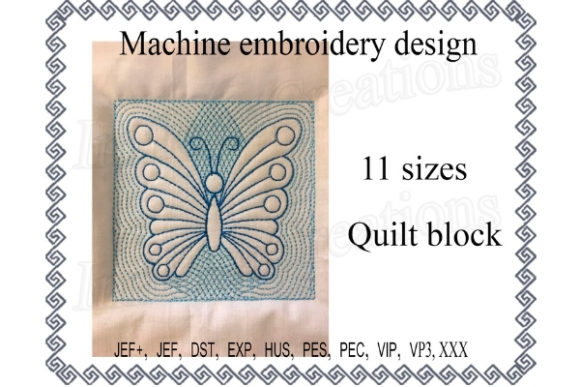
The moment I loaded the digital embroidery file into my software, the structure of the Quilt Block Butterfly caught my attention. Unlike typical realistic butterfly designs that rely heavily on complex shading and thousands of tiny stitches, this pattern leans into a geometric, folk-art aesthetic. The "quilt block" influence gives it a rustic yet polished vibe, making it feel both nostalgic and contemporary. For a boutique brand, this is a significant advantage. It does not scream "mass-produced"; instead, it whispers "curated."
The layout is balanced, with clean lines that suggest a high level of digitizing precision. When visualizing the finished product, the design feels decorative and slightly playful, yet grounded enough to be considered mature. It avoids being overly cute or childish, which broadens its appeal across different age groups. For accessories and apparel, this versatility is key. The design reads as feminine without being fragile, and bold without being aggressive. It sits comfortably in that sweet spot of modern farmhouse meets minimalist chic.
Performance on Sweatshirts and Hoodies
The primary test for any sweatshirt embroidery is how the design interacts with thicker, textured fabrics. I simulated the stitch-out on various fabric weights, from lightweight French terry to heavy-weight fleece. The Quilt Block Butterfly holds up remarkably well. Because the design utilizes solid fills and defined outlines rather than intricate micro-details, it does not get lost in the nap of the fabric. This is a common pitfall with delicate designs on cozy seasonal apparel, but here, the geometry cuts through the texture beautifully.
For a hoodie design, placement is everything. I found that this pattern works exceptionally well as a left-chest logo alternative. Its compact nature allows it to sit neatly above the pocket area without overwhelming the garment. However, do not limit it to small placements. When scaled up for a back design on an oversized hoodie, the quilt-like segments create a striking visual impact. The negative space within the butterfly wings allows the fabric color to breathe, preventing the embroidery from feeling like a heavy, stiff patch.
Color selection plays a pivotal role in the final look. On neutral sweatshirts—think oatmeal, heather gray, or soft beige—using contrasting thread colors like deep navy or forest green creates a sophisticated, earthy look. For dark fabric, such as charcoal or black, opting for metallic or bright pastel threads makes the butterfly pop, adding a touch of whimsy. If you are aiming for a tonal, minimal aesthetic, matching the thread closely to the fabric color highlights the texture of the stitches rather than the shape itself, appealing to customers who prefer understated luxury.
Technical Considerations for Production
From a technical standpoint, there are several factors every Etsy seller or apparel decorator must consider before running a production batch. While the product description notes that the Quilt Block Butterfly comes with multiple embroidery file formats, it is crucial to verify the specific hoop sizes and stitch counts provided in your download package. Always check these details against your machine’s capabilities to avoid resizing issues that can distort the geometric integrity of the quilt blocks.
Stitch density is another critical factor. On thick sweatshirt material, too much density can cause puckering or stiffness. Fortunately, this design appears to be digitized with apparel in mind, likely utilizing underlay stitches that stabilize the fabric without adding excessive bulk. However, I strongly recommend using a cut-away stabilizer for any garment that will be washed frequently. Sweatshirts undergo significant movement and laundering, and a tear-away stabilizer may not provide the long-term support needed to keep the butterfly shape crisp.
Thread choice also affects durability. For commercial apparel use, polyester threads are generally preferred over rayon due to their resistance to bleaching and frequent washing. The clean lines of the Quilt Block Butterfly benefit from high-sheen polyester, which enhances the geometric facets of the design. If you are experimenting with cotton threads for a matte, vintage look, ensure you adjust your tension settings, as cotton has less elasticity and may break more easily on dense sections.
Brand Identity and Market Appeal
In the world of small shop products, visual recognition is currency. The Quilt Block Butterfly offers a distinct signature look that can help define a boutique brand’s identity. It is not a generic clipart style; it has character. When used consistently across a collection, it becomes a recognizable element of your brand language. This consistency builds buyer trust. Customers begin to associate that specific geometric butterfly with the quality and style of your shop.
For lifestyle product photography, this design photographs beautifully. The structured lines create interesting shadows and highlights under natural light, adding depth to flat-lay images or mockup previews. Whether you are creating a printable mockup for your Etsy listings or shooting actual samples, the design provides enough detail to look expensive and well-crafted. It elevates a basic sweatshirt from a commodity to a handmade product worth a higher price point.
Moreover, the versatility of the design allows for cross-category merchandising. While it shines on apparel, it can easily transition to other accessories. Imagine this butterfly embroidered on tote bags, canvas caps, or even home decor items like pillowcases. This flexibility maximizes the value of your design assets, allowing you to create a cohesive collection that appeals to various customer interests.
Final Verdict for Creative Entrepreneurs
Is the Quilt Block Butterfly ready for commercial use? Absolutely. It strikes a rare balance between artistic charm and technical reliability. For creative entrepreneurs and embroidery shops, it offers a low-risk, high-reward addition to your library. It is robust enough for daily wear yet delicate enough to feel special.
Before you begin your next sewing project, remember to test the design on your specific fabric and stabilizer combination. Every machine behaves differently, and every fabric has its own personality. Take the time to run a sample stitch-out. Check the registration of the colors and the smoothness of the edges. Once you dial in your settings, you will find that this design is a powerful tool for creating standout custom apparel. It is not just an embroidery file; it is a gateway to creating memorable, high-quality pieces that resonate with customers who value craftsmanship and unique style.
In conclusion, if you are looking to refresh your boutique’s offerings with a design that feels both timeless and fresh, the Quilt Block Butterfly is a compelling choice. It respects the fabric, honors the craft, and delivers a finished product that speaks volumes about the care put into its creation. Happy stitching!