Review: Magical Unicorn Lettering for Business Merch
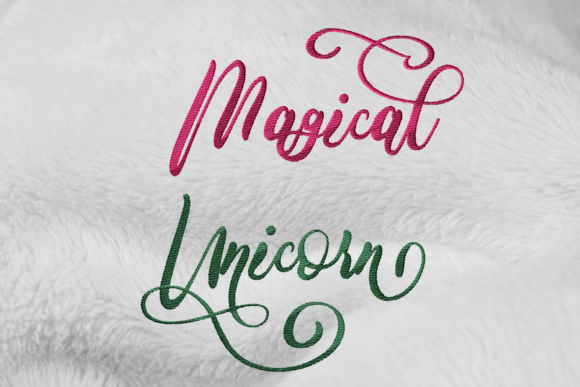
As an embroidery designer who has spent years digitizing files for boutique brands and local businesses, I approach every new machine embroidery design with a critical eye. It is not just about whether a motif looks cute on a screen; it is about how that design translates to fabric, withstands washing, and elevates a brand’s perceived value. Recently, I evaluated Magical Unicorn Lettering, a digital asset positioned within the Animal Quotes category, to determine its viability for commercial use. This review focuses on how this specific embroidery file performs when applied to real-world small business merchandise.
First Impressions and Visual Personality
The initial appeal of Magical Unicorn Lettering lies in its versatility. The description notes that these are cute embroidery designs suitable for both vintage style designs and modern styles. From a branding perspective, this duality is rare and valuable. Many unicorn-themed assets lean too heavily into childish aesthetics, which can limit their application for sophisticated boutiques or artisanal bakeries. However, this design strikes a balance. It feels playful yet polished, offering a decorative touch that does not sacrifice professionalism.
For a handmade brand or an Etsy seller, visual consistency is key. This design offers a friendly and whimsical tone that can soften the look of rigid corporate uniforms or add a unique flair to casual wear. Whether you are aiming for a rustic farmhouse vibe or a clean, modern minimalist look, the lettering adapts well. It serves as more than just decoration; it acts as a brand accent that communicates creativity and warmth.
Real-World Applications for Small Business Merch
When considering small business merch, the application of Magical Unicorn Lettering extends far beyond simple T-shirt designs. Here is how I envision this design performing across various product lines:
- Embroidered Patches: This is perhaps the strongest use case. An embroidered patch featuring this lettering can be applied to denim jackets, canvas backpacks, or tote bags. Patches allow customers to customize their items, increasing engagement and perceived value.
- Staff Uniforms and Aprons: For cafes, florists, or pet grooming studios, apron embroidery adds a layer of premium presentation. Placing the design on the chest pocket or lower hem of an apron creates a cohesive team look that feels approachable and stylish.
- Cap Embroidery: A subtle placement on the side panel or back of a baseball cap can serve as a discreet brand marker. It avoids the clutter of a large front logo while still maintaining brand visibility.
- Tote Bag Design: Canvas totes are staples for retail shops. Using this design as a central graphic or a corner accent turns a simple bag into a walking advertisement for your brand.
- Customer Gifts and Event Merch: Small embroidered items make excellent loyalty rewards. Think of keychains, pouches, or limited-edition event shirts that feature this animal quote theme.
The adaptability of this design means it can fit into a broader strategy for custom apparel and accessories. It helps differentiate your products in a saturated market by adding a handcrafted, thoughtful element that mass-produced prints cannot replicate.
Technical Considerations and Production Challenges
While the aesthetic is promising, any experienced embroiderer knows that beauty must be backed by technical stability. Before running a full production batch, there are several factors to evaluate regarding Magical Unicorn Lettering.
First, consider stitch density. Lettering designs often require careful balancing to prevent puckering, especially on lighter fabrics. If the design has high stitch density, it may pull on thin cotton or jersey knits. I recommend testing the design on a scrap piece of your intended fabric with the appropriate stabilizer. For caps, which have curved surfaces, a stiff backer stabilizer is crucial to maintain the shape of the letters.
Second, pay attention to thread colors and contrast. Since this is a lettering design, legibility is paramount. On dark uniforms, ensure you use high-contrast thread colors. If the design includes intricate details or small serifs, verify that they do not get lost in the fabric texture. A printable mockup can help visualize color combinations, but nothing replaces a physical test stitch.
Third, evaluate the hoop size requirements. Ensure that the design fits comfortably within your standard hoop sizes without requiring excessive re-hooping, which can lead to misalignment. If you are creating small patches, check if the lettering remains clear at reduced sizes. Tiny lettering can become illegible if the stitches are too close together or if the thread thickness is too heavy.
Impact on Brand Identity and Customer Trust
Incorporating Magical Unicorn Lettering into your product line does more than add visual interest; it strengthens your brand identity. Customers associate high-quality embroidery with durability and care. When they see a well-executed embroidered logo or quote on a tote bag or shirt, they perceive the product as higher value compared to printed alternatives.
This perception builds trust. For handmade product sellers, using professional-grade design assets like this signals that you pay attention to detail. It enhances the unboxing experience and encourages social sharing, which drives organic marketing. Furthermore, consistent use of such distinctive elements across your finished product range creates visual recognition. Customers begin to associate the whimsical yet professional style of the unicorn lettering with your specific business values.
Practical Designer Notes for Implementation
To ensure success with this digital embroidery file, follow these practical steps before committing to large-scale commercial embroidery projects:
- Test in Black and White: Before selecting vibrant threads, stitch the design in black thread on white fabric. This reveals any structural issues, spacing errors, or density problems without the distraction of color.
- Check Scalability: Resize the design to your smallest intended application, such as a small patch or sleeve detail. Verify that the lettering remains readable and the stitches do not overlap excessively.
- Review Fabric Compatibility: Test on the actual materials you plan to use. Textured fabrics like terry cloth or waffle knit may require adjustments in pull compensation or underlay stitching.
- Confirm Licensing: Always verify the license terms included with the file. Ensure it covers commercial use for the volume of products you intend to sell. The description mentions suitability for crafts and clothing, but explicit commercial rights should be confirmed.
- Create Client Mockups: If you are designing for a client, present a realistic mockup alongside the physical sample. This manages expectations and allows for approval before final production.
In conclusion, Magical Unicorn Lettering is a versatile and charming addition to any embroidery designer’s library. It bridges the gap between playful aesthetics and professional application, making it ideal for a wide range of small business merchandise. By paying attention to technical details like stabilizer choice, thread contrast, and hoop size, you can leverage this design to create high-value, memorable products that resonate with customers. Whether used for cap embroidery, branded patches, or boutique apparel, this design offers a reliable way to enhance your brand’s visual story.