Sitar Stringed Instrument Embroidery Review
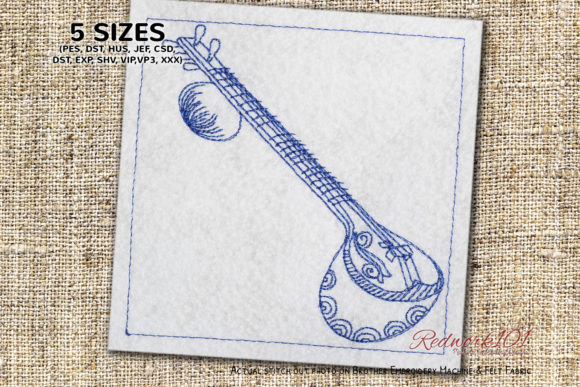
As an embroidery designer who has spent countless weekends setting up booths at local craft fairs and managing online storefronts, I have learned that not every design translates equally well from screen to stitch. When I first pulled up the Sitar Stringed Instrument file, my immediate goal was to determine its viability as a high-converting craft fair product. The sitar is a plucked stringed instrument. It s a large, long-necked Indian lute with movable frets, played with a wire pick. This description alone tells me we are dealing with a design that relies heavily on linear detail and cultural specificity. For those of us in the Music niche or targeting buyers who appreciate global arts, this piece holds significant potential, but it requires careful execution to succeed as a handmade product.
First Impressions and Aesthetic Appeal
The visual impact of the Sitar Stringed Instrument is undeniably elegant and culturally rich. Unlike generic floral patterns or farmhouse quotes, this design carries a sense of sophistication and artistic depth. It feels premium and decorative, appealing to customers who value uniqueness and storytelling in their purchases. The intricate nature of the sitar’s long neck and resonating gourd suggests a design that is best suited for items where the viewer has a moment to pause and appreciate the detail. It is not a "quick glance" graphic; it is a conversation starter. In a busy booth environment, this can be a strength if displayed correctly, drawing in customers who are looking for something beyond the typical small shop product offerings.
Product Suitability and Display Strategy
When evaluating where this machine embroidery design performs best, we must consider the canvas. The complexity of the instrument means it needs space to breathe. I found that this design shines brightest on larger, flat surfaces. A canvas tote bag design is perhaps the most natural fit. The verticality of the sitar complements the shape of a tote, allowing the full length of the instrument to be showcased without cramming. Similarly, an apron embroidery placement on the bib area creates a striking focal point for musicians or music teachers who might frequent our booths.
However, caution is needed when considering smaller items. While an embroidered patch is a popular seller, the fine details of the movable frets and strings may get lost if the patch is too small. If you choose to create patches, ensure they are large enough to maintain clarity. For tea towel embroidery, the design works well if placed centrally, but remember that towels are often folded on display racks. You must ensure the most recognizable part of the sitar—the gourd and upper neck—is visible even when the item is partially obscured. Pillow covers and market bags also serve as excellent vehicles for this art, providing a large, stable surface that highlights the Embroidery work without distortion.
Production Practicalities and Stitch Considerations
From a production standpoint, the Sitar Stringed Instrument presents specific challenges that every Etsy seller and boutique maker must address. The description notes that the Box Stitch shown in the picture is optional. This is a crucial detail. Box stitches can add stability and a framed look, but they also increase run time and thread usage. I recommend stitching out samples with and without the box stitch to see which version appeals more to your target demographic. Often, a cleaner look without the border allows the instrument itself to stand out more prominently against the fabric.
Stitch density is another critical factor. Instruments with long, thin necks can suffer from pull or distortion if the density is too high on lightweight fabrics. You must pair this digital embroidery file with the appropriate stabilizer. A cut-away stabilizer is generally safer for garments like t-shirts or caps to prevent the design from puckering over time, while a tear-away might suffice for sturdy home decor items like pillow covers. Always test the design on scrap fabric that matches the weight and weave of your final product. This step is non-negotiable for maintaining professional quality.
Navigating Fabric Texture and Color Choices
The choice of thread colors and fabric background will make or break this design. Since the sitar is traditionally made of wood, using warm browns, golds, and creams can create a realistic and luxurious look. However, high-contrast color combinations, such as white thread on dark navy or black fabric, can create a modern, graphic aesthetic that appeals to a younger demographic. Be mindful of fabric texture. Highly textured materials like thick linen or waffle-weave towels can interfere with the fine lines of the strings and frets. Smooth cotton canvases or polished twills provide the best foundation for capturing the intricacy of the instrument.
Dark fabric poses its own set of challenges. If you are stitching on black or deep indigo, ensure your thread has enough sheen or brightness to pop. Matte threads may disappear into the background, causing the design to look muddy from a distance. This is particularly important for craft fair displays, where lighting can vary. A design that looks crisp under studio lights might look flat under the fluorescent buzz of a convention center hall.
Marketing and Commercial Viability
For commercial embroidery businesses, the Sitar Stringed Instrument offers a niche advantage. It allows you to target specific groups: music students, world music enthusiasts, yoga studios, and cultural centers. When creating your printable mockup for online listings, show the design in context. A photo of the embroidered tote bag next to a actual sitar or other musical accessories can significantly boost buyer engagement. It helps the customer visualize the lifestyle associated with the product.
Before listing this as a finished product or selling the design assets themselves, verify the licensing terms. Ensure you have the right to use the embroidery file for commercial sales. Many designers offer different licenses for personal versus commercial use, and violating these terms can jeopardize your shop’s standing. Additionally, check the recommended hoop size for the design. Trying to shrink a large, detailed design into a small hoop will result in lost detail and potential machine errors. Respect the intended scale of the artwork.
Final Designer Notes for Success
To maximize the success of the Sitar Stringed Instrument in your lineup, follow these practical steps. First, create at least one real mockup on your best-selling item type, whether that is a tote or a cap. Second, compare fabric colors side-by-side to find the highest contrast combination. Third, inspect the stitch path in your software if possible, looking for unnecessary jumps or dense clusters that could cause thread breaks. Finally, consider the narrative. When selling this item, talk about the instrument’s history and beauty. Customers buy the story as much as the stitch.
In conclusion, this design is a strong contender for makers who value elegance and cultural appreciation. It is not a quick, easy fill-in design, but rather a statement piece that rewards careful production. By paying attention to stabilizer choice, fabric texture, and display context, you can turn this Music-themed artwork into a standout bestseller at your next market event. Treat it with the respect it deserves, and it will elevate the perceived value of your entire booth.