Turtle Bluework: A Designer’s Review for Craft Fairs
As an embroidery designer who has spent countless weekends behind a booth table, I know that not every machine embroidery design translates into a bestseller. Some designs are technically perfect but visually quiet. Others are bold but impractical to produce in bulk. When I first loaded the Turtle Bluework file into my software, I was looking for that sweet spot between aesthetic appeal and production efficiency. This review is written from the perspective of preparing for a high-traffic craft fair, focusing on what actually moves inventory.
First Impressions and Visual Appeal
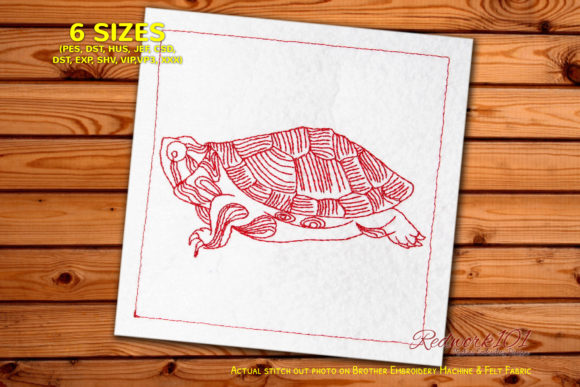
The term "Bluework" immediately suggests a specific aesthetic: clean, classic, and often reminiscent of traditional Delftware or porcelain patterns. Unlike busy, multi-colored cartoon styles, Turtle Bluework relies on tonal variation and stitch texture rather than a rainbow of threads. For a craft fair product, this is a significant advantage. It feels elevated and timeless rather than trendy and fleeting. The subject matter, falling under the Reptiles category, might seem niche, but the execution here leans toward elegant and decorative rather than purely biological or cute.
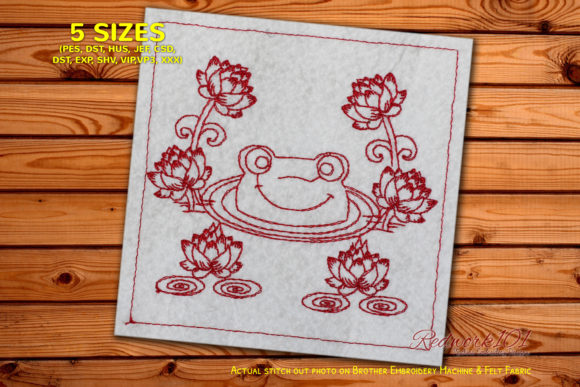
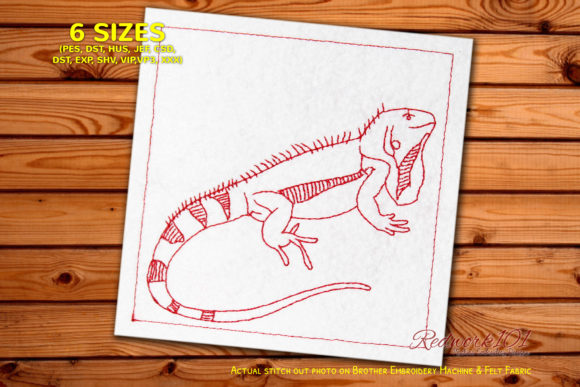
The description notes that the Box Stitch shown in promotional images is optional. This flexibility is crucial for a small shop product. It means you can adapt the design footprint to fit different hoop sizes without losing the core identity of the turtle. The outer box color variation mentioned in the details allows for customization, which is a key selling point for handmade buyers who want something unique.
Product Applications for Maximum Sales
When planning your booth display, context is everything. Here is how Turtle Bluework performs across various popular handmade product categories:
- Tote Bag Design: This is likely the strongest contender. A large-scale version of this design centered on a natural canvas tote creates an instant focal point. The blue-on-white or blue-on-natural aesthetic photographs beautifully for your Etsy seller listings and looks premium in person.
- Apron Embroidery: Placing the turtle on the bib of a kitchen apron adds a touch of whimsy without being childish. It appeals to home cooks who appreciate artisanal kitchenware.
- Tea Towel Embroidery: Because bluework often uses lighter thread weights and less dense stitching, it works well on linen or cotton tea towels. However, you must check the stitch density to ensure it doesn’t pucker the lightweight fabric.
- Embroidered Patch: If the design scales down well, turning it into an iron-on patch allows customers to customize their own jackets or bags. This increases the perceived value of a low-cost item.
- Pillow Covers: A monochromatic blue turtle on a cream pillow cover fits perfectly into farmhouse or coastal decor themes, broadening your customer base beyond just animal lovers.
Production Practicality and Batch Efficiency
For those of us running a commercial embroidery side hustle, time is money. Turtle Bluework appears to be designed with production in mind. Since it likely uses fewer color changes than a photorealistic design, you spend less time trimming jumps and changing spools. This makes it ideal for batch production during the busy holiday season.
However, there are careful-use notes to consider. The description mentions that the outer box color differs in most designs unless part of the design itself. You must verify if the box is a separate element in the digital embroidery file. If it is, you can easily remove it to save stitch count and time. Always test the design on scrap fabric before committing to a full run. Check how the thread colors interact with your chosen fabric. A navy blue on black fabric will vanish, while a sky blue on white will pop.
Navigating Fabric and Stabilizer Challenges
One common pitfall with detailed Embroidery designs is losing clarity on textured surfaces. If you are stitching onto terry cloth towels or thick denim, the fine details of the turtle’s shell pattern might get lost. In these cases, use a cut-away stabilizer to provide a firm foundation. For caps, the curved surface requires careful hooping. Ensure the design is centered correctly, as the turtle’s symmetry is key to its visual balance. If the design includes tiny details, avoid using it on fabrics with a loose weave, as the stitches may pull through or distort.
Marketing and Brand Consistency
From a branding perspective, Turtle Bluework offers a cohesive look. If your brand focuses on nature-inspired, calm, or coastal themes, this design asset strengthens your visual identity. It does not scream for attention like neon colors; instead, it invites closer inspection. This engagement is vital at a craft fair. Customers are more likely to pick up an item that looks sophisticated and well-made.
When creating your printable mockup or online listings, highlight the versatility of the design. Show the same turtle on a tote, a mug wrap, and a notebook cover. This demonstrates to the buyer that the design is not just a single product but a lifestyle aesthetic. For design assets sellers, ensure you clearly state the licensing terms. Since this is a digital embroidery file, clarify if it includes commercial rights for finished products. Most designers allow selling the physical embroidered items, but not the digital file itself.
Final Designer Notes for Success
Before you list this as a top seller, take these practical steps:
- Check Hoop Size Compatibility: The description does not specify exact dimensions. Measure the design in your software to ensure it fits your standard hoops (4x4, 5x7, or 6x10) without resizing too aggressively, which can distort stitch quality.
- Test Thread Contrast: Try at least three different shades of blue against your most popular fabric colors. Document which combination gets the most compliments during your next market.
- Inspect Stitch Density: Zoom in on the shell details. If the stitches are too close together, they may cause puckering on thin fabrics. Add a water-soluble topping if necessary to keep stitches on the surface.
- Create Real Mockups: Do not rely solely on digital previews. Stitch out one sample on each major product type you intend to sell. Photograph these real samples for your store.
In conclusion, Turtle Bluework is a versatile and commercially viable choice for the modern embroidery entrepreneur. It balances artistic charm with production efficiency. By understanding its strengths in tonal design and adapting it to the right products like tote bags and aprons, you can create a standout presence at your next craft fair. Remember, the goal is not just to stitch a design, but to create a finished product that customers feel compelled to take home. With careful attention to fabric choice and stabilizer selection, this turtle design can become a staple in your repertoire.