Witches Feet Monogram: A Designer’s Review
As an embroidery designer who has spent countless weekends standing behind booths at local craft fairs, I have learned that not every design translates into a sale. Some designs look beautiful on a screen but get lost in the chaos of a market table. Others are too complex to produce in bulk without causing thread breaks or production delays. When I first pulled up the Witches Feet Monogram file on my digitizing software, I was looking for that sweet spot between whimsical charm and commercial viability. This review is written from the perspective of someone who needs to turn digital assets into tangible revenue.
First Impressions: Whimsy Meets Functionality
The immediate vibe of the Witches Feet Monogram is playful and festive without being overly spooky. In the world of seasonal decor, there is a distinct difference between "horror" and "cute Halloween." This design firmly lands in the latter category, which significantly broadens its market appeal. It feels approachable, making it suitable for children’s items, light-hearted home decor, and fun fashion accessories. The monogram element is crucial here; it transforms a standard graphic into a personalized product. Personalization is one of the strongest drivers of sales for any Etsy seller or boutique maker because it adds perceived value and uniqueness to a handmade product.
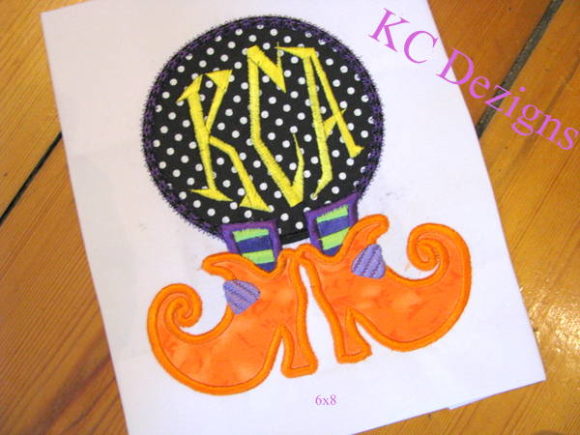
Visually, the design relies on the iconic silhouette of witch legs and striped socks, likely paired with a central space for initials. This structure is smart. It allows the customer to see their own name or initials integrated into the art, creating an instant emotional connection. For a craft fair setting, this means the design stops people in their tracks. They don’t just see a witch; they see their witch.
Product Versatility for the Craft Fair Booth
When planning my inventory for a weekend market, I always categorize designs by their best application. The Witches Feet Monogram is versatile, but it shines brightest on specific items. Here is how I would deploy this design across a product line:
- Tote Bag Design: Canvas totes are staples at fall markets. Placing this monogram centrally on a natural or black canvas bag creates a bold statement piece. The contrast of the striped socks against the fabric texture works well, provided the stitch density is balanced.
- Apron Embroidery: Kitchen aprons are huge sellers during the holiday season. This design fits perfectly on the bib of an apron. It appeals to hosts and hostesses looking for festive yet functional kitchen wear.
- Tea Towel Embroidery: For a lower price point item, stitching this onto flour sack towels is effective. However, caution is needed regarding fabric texture. Thin, woven towels can pucker if the design is too dense.
- Embroidered Patch: If you offer iron-on or velcro patches, this design is ideal. Patches allow customers to customize their existing jackets or bags. The applique nature of the design helps keep the patch flexible and not too stiff.
- Caps and Hats: Stitching on curved surfaces requires precision. The monogram format works well on the front panel of a dad hat or trucker cap, offering a subtle nod to the season without overwhelming the garment.
Production Realities and Technical Considerations
Turning a digital embroidery file into a finished product requires technical diligence. Since the product description notes that this is a Machine Applique Embroidery Design, we know that fabric placement is involved. Applique designs are generally faster to stitch than full-fill designs because large areas are covered by fabric rather than thread. This is a massive advantage for batch production at a small shop. Less machine time means higher profit margins.
However, there are careful-use notes every designer must heed. First, check the stitch density. Even with applique, the satin stitches outlining the feet and the monogram letters must be dense enough to cover the fabric edges but not so dense that they cause puckering on lightweight materials. If you are stitching on a textured towel or a thick denim tote, your stabilizer choice becomes critical. A cut-away stabilizer is often safer for garments that will be washed frequently, while tear-away might suffice for decorative pillows.
Another consideration is color contrast. The classic black and white stripes of witch socks are iconic, but ensure your thread colors pop against the base fabric. Stitching white thread on a white apron will vanish. Always create at least one real mockup on the actual fabric you intend to sell. Photos can be deceiving; seeing the thread sheen and texture in person is the only way to confirm quality.
Marketing and Visual Appeal
For online listings, particularly for an Etsy seller, the visual appeal of the Witches Feet Monogram is a strong asset. It photographs well because the shapes are distinct and recognizable even in thumbnail sizes. When creating printable mockup images or staging real photos, focus on lifestyle contexts. Show the embroidered tote bag being held at a pumpkin patch, or the apron worn while baking cookies. These contextual clues help buyers visualize the product in their own lives.
The design also supports brand consistency. If your shop focuses on whimsical, family-friendly holiday goods, this design fits seamlessly into your catalog. It avoids the gritty or dark aesthetics that might alienate certain buyers, keeping your booth welcoming and inclusive. This broad appeal increases buyer engagement and reduces the friction in the decision-making process.
Practical Steps Before You Stitch
Before you commit to producing fifty units for your next fair, take these practical steps:
- Test on Scrap Fabric: Never run a new design on final product fabric without a test. Check for registration issues where the applique fabric meets the satin stitch border.
- Confirm Hoop Size: The product description does not specify exact dimensions. Check the file details to ensure it fits your standard hoop size. If it requires a large hoop, factor that into your pricing and production time.
- Review Commercial Licensing: Ensure you have the right to sell finished products made with this design asset. Most designers offer commercial licenses, but always verify the terms to protect your business.
- Check Lettering Legibility: If the monogram allows for custom initials, test various letters. Some letters like 'I' or 'J' might look unbalanced compared to 'W' or 'M'. Adjust positioning if necessary.
- Evaluate Fabric Texture: Avoid using this design on highly textured fabrics like bouclé or heavy chenille unless you use a topping stabilizer. The fine details of the feet may get lost in the pile.
Final Verdict for Small Shop Owners
The Witches Feet Monogram is a solid addition to any autumnal collection. It balances trendiness with timeless personalization. For the craft fair product lineup, it offers flexibility across multiple price points, from inexpensive patches to premium tote bags. Its applique nature makes it production-friendly, allowing for quicker turnaround times during the busy holiday rush. By paying attention to stabilizer choices and thread contrast, you can ensure that every item leaving your booth looks professional and high-quality. This design is not just about Halloween; it is about creating memorable, personalized keepsakes that customers are proud to display and use.