Harpsichord Bluework: A Seller’s Review
As an experienced embroidery seller, I am constantly scanning Creative Fabrica for designs that bridge the gap between artistic charm and commercial viability. When I stumbled upon Harpsichord Bluework, my immediate thought was not just about the aesthetic appeal, but about its potential within a niche market. Music-themed embroidery is a steady seller, particularly among educators, musicians, and parents of young students. However, not every musical design translates well to finished goods. After reviewing the details, I believe this specific piece offers a unique opportunity for Etsy sellers and small shop owners looking to diversify their product lines with something slightly more sophisticated than the standard treble clef or piano key motifs.
Visual Appeal and Design Personality
The title itself, Harpsichord Bluework, suggests a classic, perhaps even vintage-inspired aesthetic. The harpsichord is a stringed keyboard instrument with a distinct historical presence, often associated with baroque music, elegance, and academic refinement. This is not a "cute" or "playful" design in the cartoonish sense; rather, it leans toward the elegant, classic, and premium side of the spectrum. For a craft business, this distinction is crucial. It allows us to target a demographic that values tradition and sophistication.
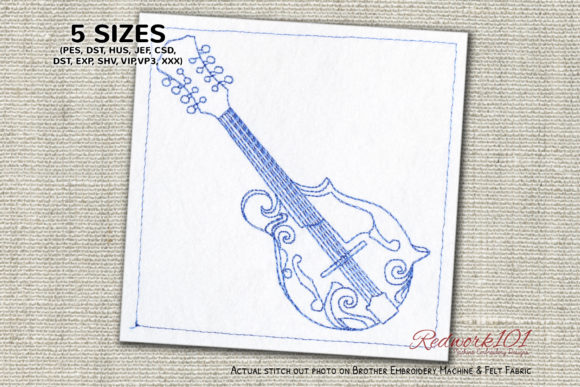
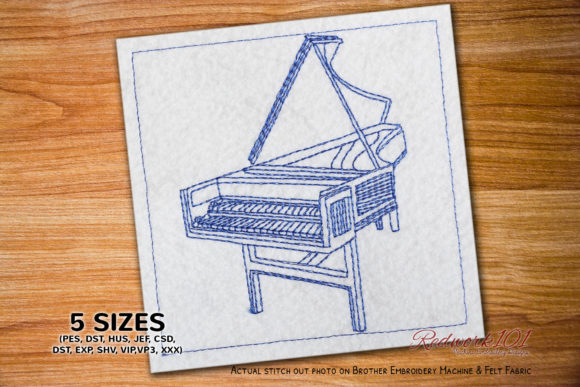
The description notes that the box stitch shown in promotional images is optional. This is a significant detail for production flexibility. It means we can choose to frame the instrument for a patch-like look or leave it open for a cleaner, more modern integration into larger garments. Furthermore, the note that the outer box color varies unless part of the design implies that the core artwork is versatile. As sellers, we know that thread color customization is key to matching seasonal trends or customer requests. This design appears to be robust enough to handle various thread palettes, from traditional navy and white bluework styles to more vibrant, modern combinations.
Strategic Product Applications
When evaluating a new machine embroidery design, I always ask: "Where does this live?" For Harpsichord Bluework, the applications are diverse but should remain focused on quality materials to match the instrument's refined nature. Here is how I envision integrating this into a small batch collection:
- Custom Apparel: This design would look exceptional on high-quality sweatshirt embroidery projects. Imagine a deep charcoal or navy crewneck with the harpsichord stitched in contrasting cream or light blue thread. It appeals to music teachers and classical pianists who want subtle, stylish identification with their passion.
- Tote Bag Design: Canvas tote bags are a staple for music students carrying sheet music. A centered, medium-sized stitch-out of this design creates a functional yet fashionable accessory. It transforms a basic bag into a personalized gift that feels thoughtful and specific.
- Home Decor and Kitchen Towels: For the home-centric buyer, kitchen towel embroidery featuring musical instruments adds a touch of whimsy and class to the dining room. This design works well here because the lines of a harpsichord are distinct and readable even at smaller scales.
- Embroidered Patches: If you offer iron-on or sew-on patches, this design is ideal. The optional box stitch becomes mandatory here to create a clean border. These patches can be sold individually or used to embellish denim jackets and instrument cases.
- Baby Embroidery: While the harpsichord is complex, a simplified version or a smaller hoop size could work beautifully on baby blankets for families with a strong musical heritage. It serves as a heirloom-quality personalized gift.
Commercial Viability for Etsy Sellers
For any Etsy seller, standing out in the crowded Music category requires more than just generic clipart. Harpsichord Bluework offers a niche angle. It is not just "music"; it is specific music history. This specificity helps in search engine optimization within Etsy. Buyers searching for "harpsichord gift" or "baroque music lover present" will find less competition than those searching for "guitar embroidery."
From a photography standpoint, this design lends itself to moody, atmospheric shots. Think dark wood backgrounds, vintage sheet music props, and soft lighting. These elements enhance the perceived value of the finished product, making it easier to photograph and more attractive to online shoppers. A well-stitched sample can become the hero image for a seasonal collection, driving traffic through social media previews that highlight the texture and detail of the stitches.
Practical Production Notes
Before adding any digital embroidery file to your inventory, practical testing is non-negotiable. Here is my checklist for preparing Harpsichord Bluework for commercial embroidery:
- Confirm Technical Details: The product description does not specify exact stitch count, file formats, or compatible hoop sizes. You must visit the Creative Fabrica product page to download the specific format required for your machine (such as PES, DST, or JEF) and confirm the maximum hoop size needed. Do not assume compatibility.
- Test Stitch Density: Historical instruments have intricate details. Check the stitch density on a test fabric similar to your final product. If the density is too high for lightweight fabrics like t-shirts, you may need to use a cut-away stabilizer to prevent puckering. For heavier items like tote bags or sweatshirts, a tear-away might suffice, but always test first.
- Thread Color Strategy: Since the outer box color can vary, plan your thread changes carefully. Create a color map that ensures the harpsichord stands out against the fabric. High contrast is essential for readability, especially if the design is viewed as a small thumbnail on mobile devices.
- Licensing Verification: Always review the license terms on Creative Fabrica before selling finished goods. Ensure that the license covers commercial use for physical products. This protects your craft business from intellectual property issues down the line.
- Sample Creation: Stitch out at least three samples on different fabrics: a cotton tee, a canvas tote, and a terry cloth towel. Photograph these in natural light. Compare how the design reads at different distances. This helps you decide which products to prioritize in your listings.
Enhancing Buyer Value
Ultimately, the goal is to create a handmade product that feels memorable. Harpsichord Bluework supports this by offering a design that feels curated rather than mass-produced. When a customer receives a custom apparel item or a personalized gift featuring this design, they perceive a higher level of craftsmanship. It elevates the item from a simple commodity to a keepsake.
For creative entrepreneurs, this design also simplifies marketing. You can create printable mockups that showcase the design on various products without stitching every single sample initially. This allows for rapid testing of market interest. If the mockups gain traction on social media, you can then move to production with confidence.
In conclusion, Harpsichord Bluework is a strong candidate for sellers looking to expand their Music-themed offerings with a touch of elegance. It balances historical charm with modern application potential. By focusing on high-quality materials, precise stitching, and targeted marketing toward classical music enthusiasts, you can turn this digital embroidery file into a profitable segment of your small shop. Remember to verify all technical specifications on the source page, test your stabilizers, and let the unique character of the harpsichord shine in your final presentation.