Review: Minimalistic One Line Butterfly for Boutique Apparel
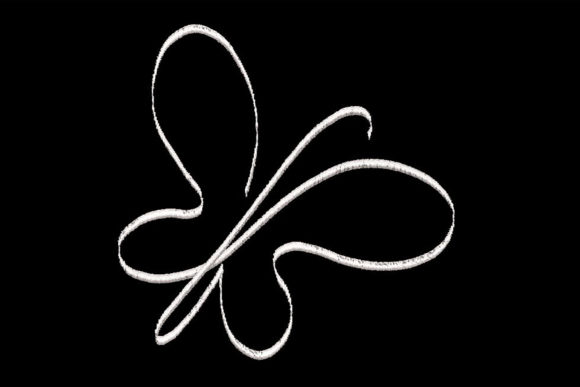
As an embroidery designer who spends countless hours digitizing and testing files for client collections, I have learned that simplicity is often the hardest aesthetic to master. When browsing Creative Fabrica embroidery listings for my next boutique apparel drop, I stopped scrolling when I saw the Minimalistic One Line Butterfly. It promised a continuous single-line design in a compact 4″ x 4″ hoop size. For those of us running small clothing brands or Etsy shops, finding a design that balances visual impact with production efficiency is rare. This review breaks down how this specific machine embroidery design performs in real-world applications, from cozy sweatshirts to structured denim jackets.
Visual Personality and First Impressions
The first thing that strikes you about the Minimalistic One Line Butterfly is its deceptive elegance. In the world of Bugs and nature-inspired motifs, we often see overly complex wings with heavy satin stitches or dense fill patterns. This design takes a different approach. It relies on a single, unbroken thread path to define the shape. This creates a mood that is undeniably modern, trendy, and minimal. It does not scream for attention; instead, it invites a closer look.
For a boutique brand, this visual personality is invaluable. It feels premium because it respects the negative space of the garment. Whether you are aiming for a feminine, playful vibe or a rustic, classic look, this butterfly adapts. Because it uses only one color, the design’s success relies entirely on your choice of thread. This allows for incredible customization. You can match the thread to the fabric for a subtle, tonal texture, or choose a high-contrast color for a bold graphic statement. The simplicity ensures that the design never looks cluttered, making it ideal for contemporary fashion where "less is more" is the guiding principle.
Performance on Sweatshirts and Hoodies
My primary test for any new embroidery file is how it behaves on knit fabrics. I prepared a small collection of neutral sweatshirts and pastel hoodies to see how the Minimalistic One Line Butterfly would integrate. The 4″ x 4″ hoop size is perfect for standard chest placements. On a heavyweight fleece hoodie, the single-line stitch sat beautifully without causing the fabric to pucker excessively, provided the right stabilizer was used.
I found that this design shines as a left-chest accent on oversized garments. It provides just enough decoration to break up the monotony of a solid-colored sweatshirt without overwhelming the wearer. For sleeve accents, the narrow profile of the butterfly works well along the seam or on the upper arm, offering a unique detail that customers love. However, because it is a continuous line, care must be taken with stretchy fabric. If the garment stretches significantly during wear, a single line of stitching can sometimes appear distorted if the stabilizer is too lightweight. I recommend using a cut-away stabilizer for long-lasting durability on items that will be washed frequently.
Versatility Across Product Lines
Beyond sweatshirt embroidery, this design proves its worth across various product categories. I tested it on tote bags, where the minimal aesthetic complemented the casual utility of canvas material. It also worked surprisingly well on denim jackets. The contrast of a bright thread against dark denim created a striking visual that felt both rugged and refined. For t-shirt embroidery, the low stitch density is a major advantage. Heavy fills can make t-shirts stiff and uncomfortable, but this light, airy design maintains the soft hand feel of the cotton.
For Etsy sellers and digital creators, the versatility extends to marketing assets. The clean lines of the butterfly make it easy to incorporate into printable mockups and social media graphics. It does not get lost in busy backgrounds, allowing for clear, professional presentation in online listings. Whether you are selling finished products or offering custom apparel services, having a reliable, quick-to-stitch design like this in your library speeds up production time significantly.
Strategic Placement and Fabric Considerations
While the design is suitable for beginners, experienced designers know that placement is critical. The Minimalistic One Line Butterfly is delicate. Placing it on curved surfaces, such as the side of a hip or a rounded shoulder, requires careful hooping to prevent distortion. I advise avoiding areas that experience high tension or frequent stretching, such as the center of a tight ribbed cuff, unless you are using a very stable fabric blend.
When working with dark garments, thread color contrast becomes your most important tool. A metallic gold or silver thread can elevate the design from simple to luxurious. Conversely, using a matte thread that matches the fabric color creates a sophisticated, textured effect that catches the light differently than printed graphics. Always check the stitch density before production. While this design is described as very simple, verifying that the jumps are minimized will ensure a cleaner finish, especially on lighter fabrics where underlying threads might show through.
Enhancing Brand Identity and Value
Incorporating consistent, high-quality motifs like this butterfly can strengthen your brand identity. It signals to customers that your handmade product is thoughtfully designed. The professional presentation of a clean, well-executed embroidery builds buyer trust. When customers see that even the smallest details are precise, they perceive higher value in the finished product. This design helps maintain visual consistency across a collection, whether you are launching a spring line of pastel hoodies or a winter range of dark coats.
Furthermore, the ease of use encourages customer engagement. Buyers appreciate designs that feel personal and unique rather than mass-produced. By choosing your own thread colors and placement, you offer a level of customization that large retailers cannot match. This personal touch is what drives repeat business for small shop owners and creative entrepreneurs.
Practical Designer Notes for Production
Before adding the Minimalistic One Line Butterfly to your commercial embroidery lineup, follow these practical steps. First, always test on scrap fabric that matches your production material. Check your stabilizer choice; a medium-weight cut-away is usually safest for knits. Review thread color contrast under different lighting conditions to ensure visibility. Confirm the hoop size fits your machine’s capabilities, although 4″ x 4″ is standard for most home and semi-professional machines.
Inspect the stitch density in your software if possible. While the product description notes it is ideal for quilting blocks and beginners, adapting it for apparel requires attention to fabric texture. Test on similar garment fabric to gauge puckering. Compare placement options on a dress form to find the most flattering position. Finally, always check Creative Fabrica product details and licensing terms before selling finished apparel. Ensure you have the correct commercial license for the digital embroidery file to protect your business.
In conclusion, the Minimalistic One Line Butterfly is a versatile, stylish addition to any embroidery designer’s toolkit. Its simplicity belies its impact, making it a perfect choice for modern boutique apparel. By paying attention to fabric choice, stabilizer, and thread selection, you can create stunning, professional pieces that resonate with today’s conscious consumers.