Reviewing Minimalistic One Line Penguin for Boutique Apparel
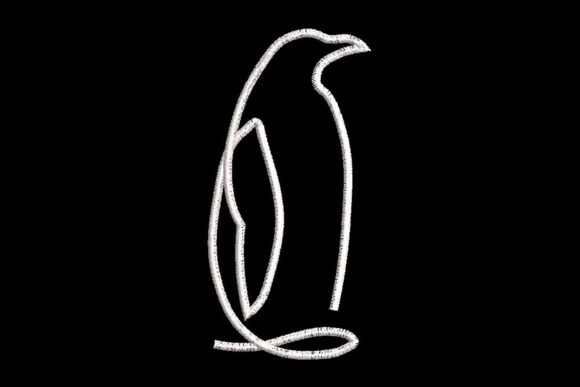
As an embroidery designer who spends countless hours digitizing and testing files for boutique collections, I have learned that simplicity is often the hardest aesthetic to master. When I first encountered Minimalistic One Line Penguin on Creative Fabrica, my initial reaction was one of cautious curiosity. In a market saturated with complex, multi-colored logos and dense fill stitches, a continuous single-line design stands out by doing less. This review explores how this specific machine embroidery design performs when applied to real-world apparel projects, specifically focusing on sweatshirts, hoodies, and custom tote bags for small business owners.
Visual Personality and Stitching Mood
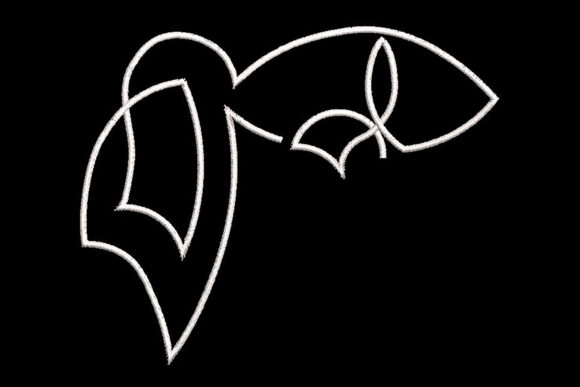
The visual personality of this design is undeniably modern and understated. The concept of a "one line" drawing translates beautifully into embroidery because it relies entirely on the flow of the thread rather than color blocking or shading. For boutique brands aiming for a minimalist or Scandi-inspired aesthetic, this piece offers a clean, premium look without feeling cold. It feels playful yet sophisticated, striking a balance that appeals to both children’s clothing markets and adult lifestyle apparel.
Because the design is categorized under Marine Mammals, it carries a subtle thematic weight, but its execution is so abstract that it functions more as a graphic element than a literal animal depiction. This versatility is crucial for designers who want to create cohesive collections without being pigeonholed into overly niche themes. The stitching mood is light and airy, avoiding the heaviness that often plagues larger embroidered logos on soft fabrics.
Performance on Sweatshirts and Hoodies
When preparing a small sweatshirt or hoodie collection for an online shop, placement is everything. I tested the mental visualization of this 4″ x 4″ hoop size design on various garment types. On neutral sweatshirts, such as heather grey or oatmeal, the single-line penguin acts as a subtle chest accent. It does not overwhelm the fabric, allowing the texture of the fleece or cotton blend to remain visible. This is vital for maintaining a high-end feel in custom apparel.
For pastel hoodies, the design adds a touch of whimsy without clashing with soft color palettes. However, on dark apparel like navy or black hoodies, contrast becomes the primary concern. A single line can disappear if the thread color does not pop against the background. I recommend using metallic threads or bright whites to ensure the continuous line remains distinct. The minimal nature of the design means there are no fill stitches to provide bulk, making it ideal for oversized garments where you want decoration without added weight or stiffness.
Versatility Across Product Lines
Beyond standard sweatshirt embroidery, this design shines in diverse applications. For t-shirt embroidery, the low stitch density ensures the fabric retains its drape and breathability. Dense designs can make lightweight tees feel stiff, but this minimalistic approach keeps the garment comfortable. When applied to denim jackets, the single line creates a striking contrast against the rugged texture of the denim, offering a rustic yet trendy vibe.
Tote bag design is another excellent use case. The 4″ x 4″ dimensions fit perfectly on canvas bags, serving as a charming focal point. For Etsy sellers and handmade product creators, this versatility allows for cross-promotion. You can offer matching sets—a hoodie and a tote—using the same digital embroidery file, which enhances brand identity and visual consistency. This consistency builds buyer trust, as customers recognize your signature style across different items.
Practical Considerations for Production
While the design is labeled as "very simple," experienced embroiderers know that simplicity requires precision. Here are practical notes to consider before running this file on your machine:
- Stabilizer Choice: Since this is a single-line design, proper stabilization is critical to prevent puckering, especially on stretchy fabrics like jersey knits or ribbed cuffs. Use a cut-away stabilizer for long-term durability on garments that will be washed frequently.
- Thread Color Contrast: Test your thread colors on scrap fabric identical to your final product. On dark garments, ensure your thread has enough sheen or brightness to stand out. On light fabrics, consider tonal threading for a subtle, embossed effect.
- Hoop Size Confirmation: The product description specifies a 4″ x 4″ hoop size. Ensure your machine supports this hoop and that your placement markings account for the curvature of sleeves or chest areas.
- Fabric Texture: Be mindful of fabric texture. On highly textured fleece, a single thin line might get lost. In such cases, increasing the thread weight slightly or using a twisted thread can help the design maintain visibility.
Enhancing Brand Value and Engagement
Incorporating Minimalistic One Line Penguin into your commercial embroidery products can significantly affect perceived value. Minimalism is often associated with luxury and thoughtful design. By choosing a design that respects the negative space of the garment, you signal to your customers that you prioritize quality and aesthetics over quantity of stitches. This approach helps in creating professional presentation materials, such as printable mockups and social media graphics, where clean lines photograph beautifully.
For small shop products, this design aids in product recognition. It is distinctive enough to be memorable but simple enough to be timeless. When customers see this consistent visual language across your Etsy listings and finished products, it reinforces your boutique brand identity. Furthermore, minimal designs tend to have broader appeal, potentially increasing customer engagement from buyers who might shy away from bold, loud graphics.
Final Designer Notes
Before launching any new collection featuring this Marine Mammals inspired embroidery, always verify the technical details provided by the seller on Creative Fabrica. While the description mentions suitability for towels, bath supplies, and children’s clothing, always confirm the specific file formats and machine compatibility with your own equipment. Check the licensing terms carefully to ensure you are compliant when selling finished apparel.
Test the stitch density on similar garment fabric to avoid any surprises during production. Compare placement options extensively; sometimes moving a design two inches higher or lower can change the entire silhouette of the garment. By treating this digital embroidery file with the same rigor as a complex multi-color design, you ensure that your final product meets the high standards expected by today’s discerning consumers. This design is a tool, and like any tool, its value is determined by the skill and intention of the creator using it.