Review: Olde English Monogram Letter D for Craft Fairs
As an embroidery designer who has spent countless weekends behind a booth table, I have learned that not every design translates well from the screen to the sewing room floor. When I first loaded the Olde English Monogram Letter D into my digitizing software, my immediate goal was to determine if it had the visual weight and clarity needed for a busy craft fair environment. This is not just about aesthetics; it is about creating a craft fair product that stops passersby in their tracks.
The description highlights a wonderful design suitable for any fabric, featuring a knockdown stitch specifically engineered for plush materials. For those of us running a small shop product line, this technical detail is crucial. It suggests versatility, but also requires careful handling to ensure the final finished product looks professional rather than puckered or messy.
First Impressions and Aesthetic Appeal
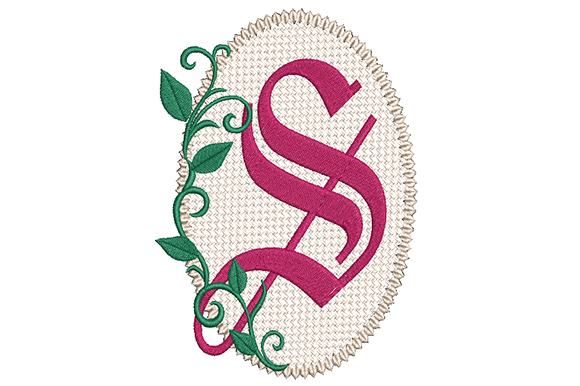
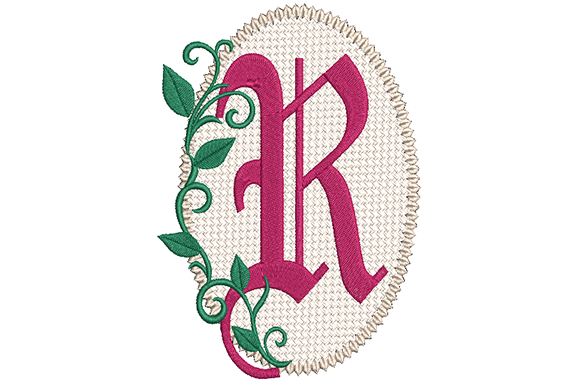
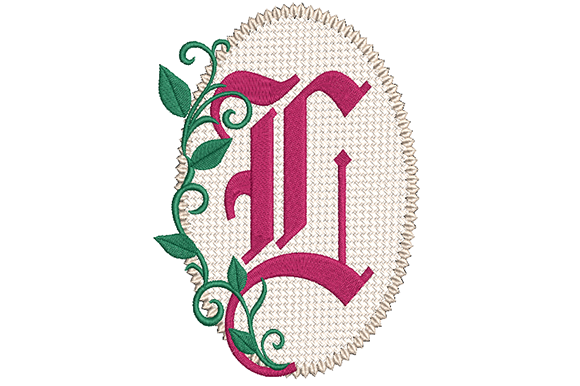
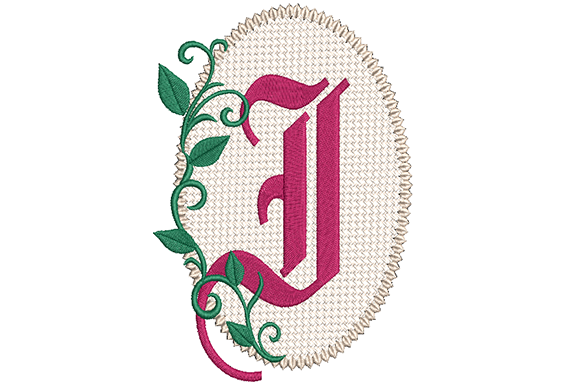
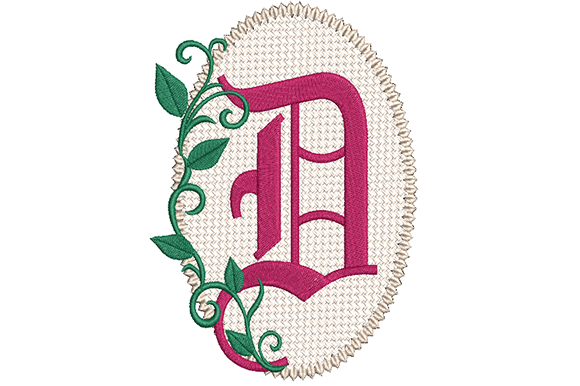
The Olde English Monogram Letter D carries a distinct mood. It feels elegant, rustic, and undeniably premium. Unlike modern sans-serif fonts that can sometimes feel cold or corporate, this style evokes a sense of heritage and warmth. It fits perfectly within the current trend of farmhouse chic and vintage-inspired home decor. For a Wedding Monogram category, this letter offers a sophisticated touch that appeals to brides looking for personalized keepsakes without being overly frilly.
When evaluating this as an Embroidery asset, the bold strokes of the Olde English style provide excellent coverage. This is vital for visibility. At a craft fair, customers are often three to five feet away from your display. A delicate, thin-lined font might get lost in the noise of a busy market, but this design stands out. It commands attention while maintaining a classic dignity that suggests high-quality craftsmanship.
Versatility Across Product Lines
To maximize return on investment, a single machine embroidery design must work across multiple items. Here is how I see the Olde English Monogram Letter D performing in a real-world production scenario:
- Tote Bags: This is arguably the best application. A large tote bag design centered on canvas or heavy cotton creates an instant bestseller. The bold letter acts as a statement piece, allowing the buyer to visualize their own initial or a gift recipient’s name.
- Aprons and Tea Towels: For apron embroidery and tea towel embroidery, the design serves as a lovely focal point. However, placement is key. On an apron, it should sit high on the bib for maximum visibility. On towels, ensure the scale is appropriate so it does not overwhelm the fabric’s texture.
- Embroidered Patches: Creating an embroidered patch with this letter allows for inventory flexibility. You can sell the patches individually or attach them to hats and bags later. The dense nature of the font holds up well to the cutting process required for patches.
- Pillow Covers and Market Bags: These items benefit from the rustic elegance of the font. It adds a custom, boutique feel that justifies a higher price point compared to mass-produced goods.
Production Practicalities and Technical Notes
While the design is beautiful, practical execution determines whether you make a profit or a mess. The mention of a "knockdown stitch" for plush fabrics is a significant advantage. Plush fabrics like minky or terry cloth can be notoriously difficult to embroider because the pile hides the stitches. A proper knockdown stitch lays the fibers flat before the main satin or fill stitches are applied, ensuring crisp edges.
However, there are careful-use notes every Etsy seller and craft entrepreneur should consider:
- Stitch Density: Olde English fonts can be dense. Check the stitch density in your software. If it is too high for lightweight fabrics, you risk perforating the material or causing severe puckering. Always test on scrap fabric first.
- Fabric Texture: While great for plush, ensure you use the correct stabilizer. For thick fabrics, a cut-away stabilizer is often necessary to support the weight of the thread. For woven fabrics like tea towels, a tear-away may suffice, but test for residue.
- Small Details: Intricate serifs in Old English styles can sometimes merge if stitched too small. Verify the minimum hoop size and scaling limits. Do not shrink this design below its recommended minimum, or the clarity will be lost, turning a premium look into a blurry blob.
- Thread Colors: This design relies on contrast. On dark fabrics, use light or metallic threads to make the letter pop. On light fabrics, deep jewel tones or classic black create a striking effect. Avoid low-contrast combinations unless aiming for a subtle, tonal look.
Boosting Brand Consistency and Sales
Using a consistent font family like the Olde English Monogram Letter D across your booth helps build brand recognition. When customers see the same elegant style on a tote, a pillow, and a patch, they perceive a cohesive collection. This strengthens your brand consistency and makes your booth look more professional and curated.
For online sales, this design photographs beautifully. The strong lines create clear shadows and highlights under good lighting, making it ideal for printable mockup creation and digital listings. Whether you are selling the digital embroidery file itself or the commercial embroidery finished goods, the visual appeal drives clicks. Ensure your product photos highlight the texture of the stitch and the quality of the fabric to convey the handmade value.
Final Designer Verdict
Before adding this to your active rotation, perform these essential checks. Confirm the specific file formats included in the design assets package to ensure compatibility with your machine. Verify the commercial licensing terms if you plan to sell finished items. Most importantly, stitch it out on the actual fabrics you intend to sell. A design that looks perfect on screen may behave differently on a textured linen versus a smooth cotton.
The Olde English Monogram Letter D is a strong contender for any embroidery business looking to elevate its offering. It balances traditional elegance with modern production needs, particularly with its adaptability to plush fabrics. By paying attention to stabilizer choice, thread contrast, and proper scaling, you can turn this single design into a versatile cornerstone of your craft fair inventory. It is not just a letter; it is a tool for creating memorable, high-value handmade products that resonate with customers seeking quality and personalization.